
Health
PHS Monday Seminar: Francisca Javiera Rudolph
By Marcus Chen
Advertisement · Why this ad?
Katherine oversees editorial operations across all six brands. Before joining The Meridan Group, she spent 14 years at the Minneapolis Star Tribune, where she led the metro desk through its digital transformation. She holds a Master's in Journalism from Northwestern's Medill School.
More from Katherine →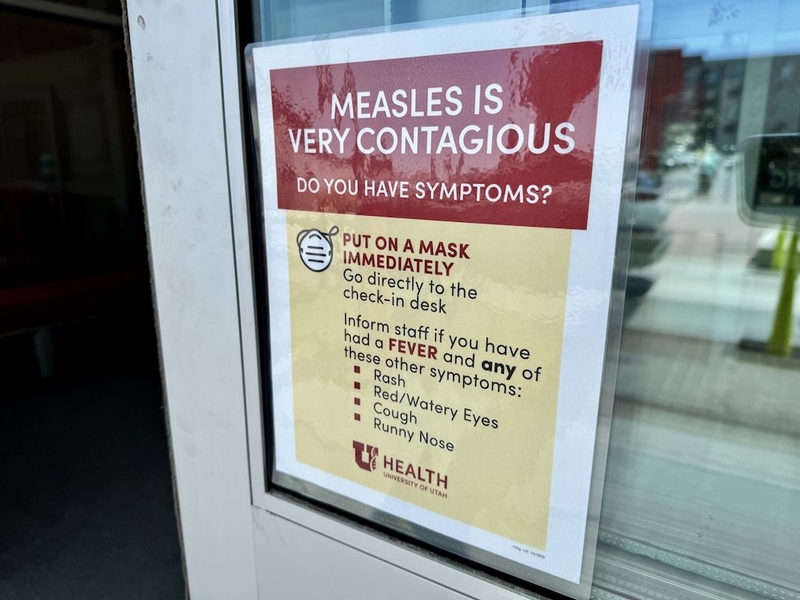
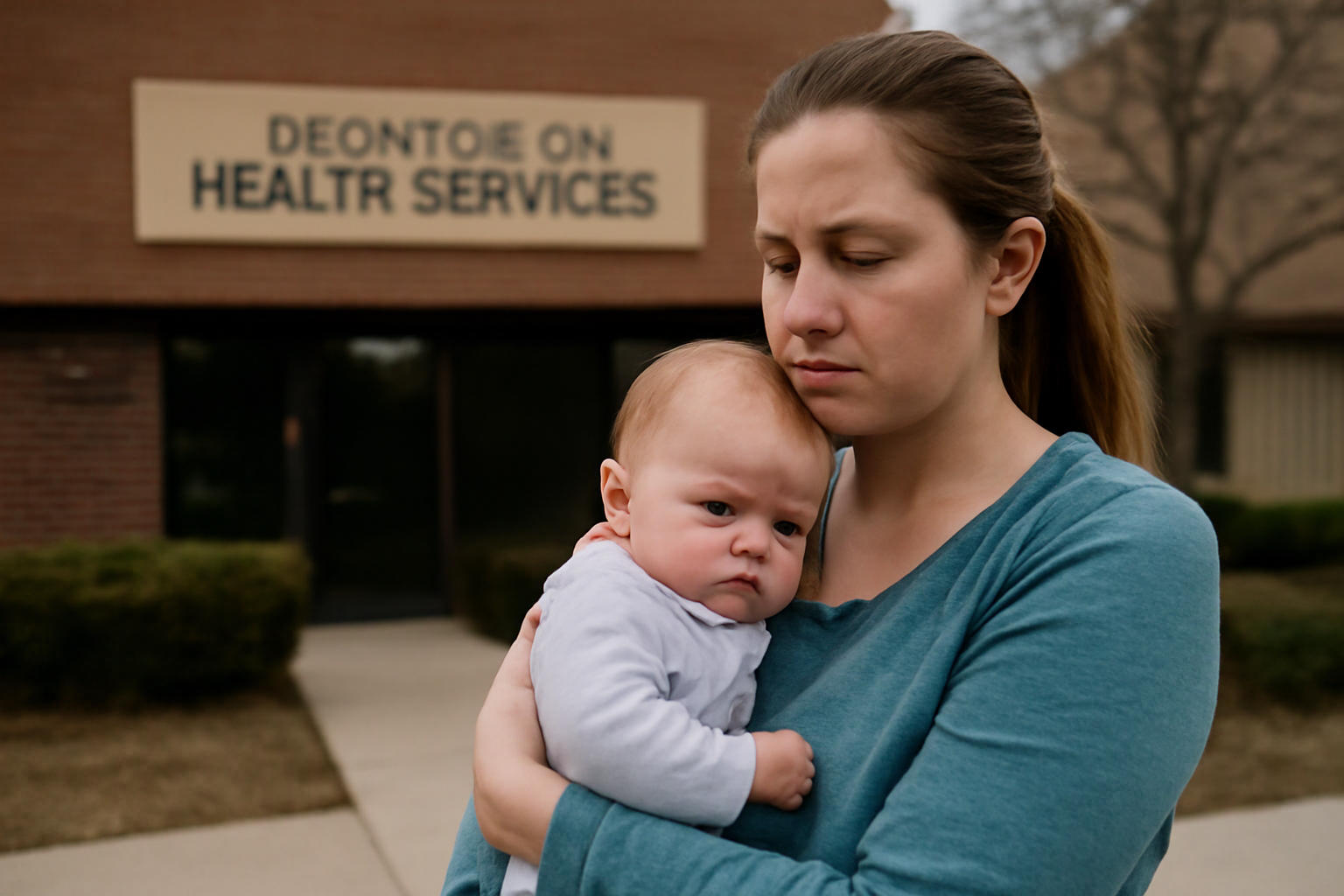
The loss of a young life to measles—a disease once relegated to the history books—is a stark reminder of the fragility of public health achievements and the enduring importance of community commitment. A Wisconsin infant has tragically died from measles, marking the first such fatality in the state since 1990, as confirmed by the Wisconsin Department of Health Services (DHS) on Thursday. This heartbreaking event occurs amidst a surge in measles cases across the state, representing the highest number in over three and a half decades. While details surrounding the infant’s death remain private out of respect for the family, the incident underscores the serious risks posed by this preventable illness, particularly for vulnerable populations like infants too young to be fully vaccinated.
According to Dr. Ryan Westergaard, chief medical officer for the Wisconsin Department of Health Services, the state has recorded 431 measles cases across 13 counties as of Thursday, a figure he cautions is likely an underestimate given that not all infections are reported. The current caseload dwarfs the 36 cases reported in 2025 and the near-annual average of zero or one case in the decade prior. This dramatic increase highlights a concerning trend: the erosion of herd immunity, the collective protection afforded by widespread vaccination. The Wisconsin Department of Health Services website Wisconsin Department of Health Services. DHS Secretary Kirsten Johnson stated her “heart is broken for the family” and emphasized that “Measles can cause serious illness and death, and it is important for all Wisconsinites to evaluate their risk and take steps to protect themselves and their family.”
The measles outbreak in Wisconsin is directly linked to declining vaccination rates, a phenomenon not unique to Wisconsin. The MMR (measles, mumps, and rubella) vaccine is highly effective, providing approximately 97% protection against measles when administered in two doses. However, achieving the necessary 95% vaccination rate within a community is crucial to prevent the virus from spreading. Currently, Wisconsin’s vaccination rate for kindergarten-age children stands at 85%, falling short of this threshold and leaving many susceptible to infection. Nationally, the rate is slightly higher at 92%, but pockets of low vaccination coverage exist across the country. Dr. Stephanie Schauer, the Wisconsin immunization program manager, emphasized the need for residents to be aware of vaccination rates within their own schools and communities, highlighting that “we have many pockets in communities throughout Wisconsin that have these lower levels, that we are concerned if measles is introduced, we could see community spread.” Centers for Disease Control and Prevention (CDC) offers comprehensive information on measles, including vaccination schedules and symptoms.
The Devastating Toll
The infant’s death is the first measles-associated death in Wisconsin in more than 35 years. According to the coroner, measles was the immediate cause of death. Nine Wisconsinites have required hospitalization for severe symptoms from measles, and over 99% of cases have been in people who are unvaccinated. The virus can remain airborne for up to two hours after an infected person leaves a room, making it exceptionally contagious. The vast majority of cases have been linked to spread of the virus among residents of Grant, Iowa, Lafayette and Vernon counties, with the remaining cases linked to travel outside of the state.
Addressing the Outbreak
Recognizing the severity of the situation, the Wisconsin Department of Health Services is recommending an early dose of the MMR vaccine for infants aged 6 to 11 months who are considered at increased risk of exposure. This proactive measure has resulted in approximately 500 to 600 infants receiving the shot in the last three months. Since August, the state has delivered over 42,000 MMR vaccine doses to local health departments in measles-affected communities. Dr. Westergaard emphasized that “In an outbreak, when we know that an infant may be exposed to measles, there is a benefit to providing that protection earlier.”
The Wisconsin Policy Forum recently released a report highlighting the broader trend of declining vaccination rates in the state, with 87.4% of K-12 students meeting minimum immunization requirements for the 2025-26 school year. This figure, while slightly higher than the previous year, remains below the level needed to provide population-wide protection. The report attributes this decline to several factors, including an increased number of required vaccines, the disruption caused by the COVID-19 pandemic and subsequent vaccine hesitancy, and a rise in personal conviction waivers filed by families opposed to vaccination. The report suggests targeted outreach to students behind on their vaccinations, stricter limits on waivers, and efforts to rebuild public trust in vaccines. Families who lack insurance or have inadequate coverage can access vaccines through the Vaccines for Children program.
“Measles was once a common childhood infection in the United States,” Dr. Westergaard explained during the briefing, “What brought it under control was vaccination to the point that many physicians practicing today have never seen a case. That was an extraordinary public health achievement. But it wasn’t permanent and it wasn’t inevitable that we would have that success.” He added that “It depended on doing the hard work of maintaining high levels of immunity in our communities.” The current outbreak serves as a sobering reminder that complacency can undo decades of progress in public health.
The tragedy of this infant’s death should serve as a catalyst for serious reflection within our community. While the statistics surrounding measles are alarming, they represent more than just numbers; they represent a breakdown in the commitment to protecting our most vulnerable neighbors. The erosion of trust in public health institutions, fueled by misinformation and a desire for individual autonomy, has had devastating consequences. As families, we have a responsibility to prioritize the health and well-being of our children and our community, and that includes making informed decisions about vaccination. It’s not merely a personal choice; it’s a civic duty. The long-term societal costs of declining vaccination rates—not just in terms of illness and death, but also in terms of economic disruption and strain on healthcare systems—are significant. We must actively engage in conversations with our friends, family, and neighbors, sharing accurate information about vaccines and addressing concerns with compassion and understanding.
Looking Ahead
The Wisconsin Department of Health Services is urging healthcare providers to administer the MMR vaccine to those who have not received it and to consider early vaccination for infants at increased risk. Public health officials are also working to increase awareness of the Vaccines for Children program and address the root causes of declining vaccination rates. The state’s response will require a multi-faceted approach, including targeted outreach, education campaigns, and efforts to rebuild trust with the public. Parents concerned about their children’s vaccination status are encouraged to contact their healthcare providers or visit the Wisconsin Department of Health Services website for more information. The need for vigilance and proactive measures remains paramount to prevent further spread of measles and protect the health of our community. Wisconsin Public Radio offers additional coverage of this developing story.
The Cedarburg community, like the rest of Wisconsin, must now confront the reality of a preventable disease’s resurgence. The loss of this infant is a profound reminder of the importance of public health and the responsibility we all share to protect one another.
By Marcus Chen
By Marcus Chen

By Marcus Chen
By Marcus Chen